

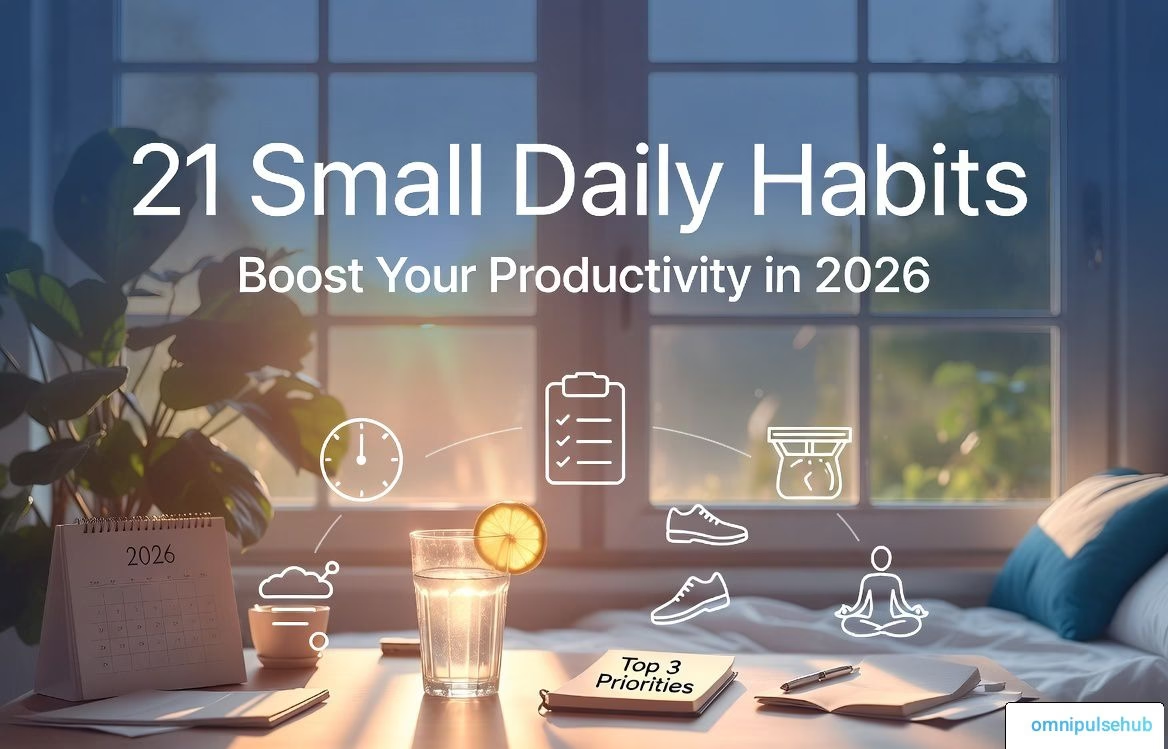
Introduction: Why Tiny Changes Can Transform Your Whole Year
Let me be honest with you — I used to chase those big, dramatic productivity overhauls. You know the kind: wake up at 5 AM, follow a perfect morning routine that lasts two hours, and somehow become a superhuman overnight. Spoiler alert: it never stuck. I’d burn out after a week and feel even worse about myself.
Then I discovered something that actually changed everything. It wasn’t about working harder or adding more to my plate. It was about stacking small daily habits — the kind that take just a few minutes but compound like crazy over time.
In 2026, with AI handling a lot of the repetitive stuff and notifications pulling at us constantly, these micro-habits give you the real edge. They protect your focus, build steady energy, and help you get more done without feeling exhausted or guilty.
I’ve tested dozens of these myself, talked to friends who run businesses or juggle remote work with family, and seen what sticks in real life. Not every habit will fit your schedule perfectly, and that’s okay. The magic happens when you pick 3–5 that feel doable and make them part of your normal day.
In this article, I’ll walk you through 21 small daily habits grouped by when they fit best — mornings, work time, energy maintenance, and evenings. I’ll explain why each one works, share simple ways to start, and throw in some personal stories so you can see how they play out for regular people like us.
By the end, you’ll have a practical toolkit to boost your productivity without the overwhelm. Ready? Let’s get into it.
Why Small Daily Habits Beat Big Resolutions Every Time
We’ve all been there. January hits, and we swear this is the year we’ll finally get organized. But by February, the fancy planner is gathering dust and we’re back to scrolling through emails in a panic.
Science explains why this happens. Our brains love quick wins. Each time you complete a tiny habit, you get a little dopamine hit — that feel-good chemical that makes you want to keep going. Big changes feel overwhelming, so we quit. Small ones build momentum.
Research on habit formation (think BJ Fogg’s Tiny Habits method) shows that lowering the barrier makes consistency way easier. In 2026’s world — where attention is fragmented and work never really “ends” — these micro-habits create stability. They don’t require massive motivation. You just do them until they feel automatic.
The best part? They compound. One small habit improves your sleep, which improves your focus, which makes it easier to tackle important work. Before you know it, you’re getting more done in less time and actually enjoying your days.
I’ve seen this in my own life. When I started protecting just my first hour of the morning, my whole week felt calmer. Friends who added a short walk daily told me their afternoon slumps disappeared. It’s not flashy, but it works.
Now, let’s break down the 21 habits. I’ll keep each one straightforward so you can picture yourself doing it tomorrow.
Morning Habits: Build a Strong Foundation Before the Day Pulls You In
Your morning sets the tone. You don’t need a perfect sunrise yoga session. These small daily habits take 2–20 minutes and help you start with clarity instead of chaos.
1. Drink Two Glasses of Water as Soon as You Wake Up
After sleeping all night, your body is dehydrated even if you don’t feel thirsty. Downing two glasses (about 500ml) rehydrates you, wakes up your brain, and kickstarts your metabolism.
I keep a bottle by my bed. No thinking required — just drink while the kettle boils for coffee. Add lemon if plain water bores you. Many people notice better energy and fewer headaches within a week. It’s one of those tiny wins that makes everything else feel easier.
2. Get 10–20 Minutes of Natural Morning Light
Step outside, sit by a window, or walk to grab your mail. Morning sunlight helps reset your circadian rhythm, improves mood, and boosts alertness during the day.
In 2026, with so many of us working from dim home offices, this habit counters the artificial light overload. I pair it with my coffee — no extra time added. Studies show it can even help you fall asleep better at night. If it’s cloudy or you’re in a dark apartment, a bright light therapy lamp works as a backup.
3. Make Your Bed in Under Two Minutes
Sounds ridiculously simple, right? But this tiny act creates an instant sense of order. It’s your first completed task of the day, and it tricks your brain into a productive mindset.
Navy SEAL admiral William McRaven famously talked about this in his speeches. I started doing it even when running late, and it stopped my mornings from spiraling. Your bedroom looks calmer, and you carry that “I got something done” feeling forward.
4. Do a Quick 5-Minute Movement Session
No gym needed. Stretch your arms, do 10 bodyweight squats, or take a lap around the house. Moving early increases blood flow, releases feel-good endorphins, and shakes off that groggy feeling.
One friend who works from home swears by doing this while listening to a favorite song. It doesn’t replace exercise, but it prevents that mid-morning stiffness many of us get from sitting too soon.
5. Review Your Top 3 Priorities for the Day
Spend 3–5 minutes deciding what really matters today. Not a full to-do list — just your “One Big Thing” plus two supporting tasks. Write them down or say them out loud.
This habit stops you from reacting to everyone else’s demands first. I use a simple notebook. Some people dictate it to an AI note-taker app in 2026 for hands-free ease. The key is keeping it short so it doesn’t become another chore.
Focus and Work Habits: Protect Your Attention in a Distracted World
Once the day gets going, distractions multiply. These small daily habits help you stay in control and get into deep work more often.
6. Follow the 2-Minute Rule for Quick Tasks
If something takes less than two minutes — reply to a short message, put a dish in the sink, file a paper — do it right away. This clears mental clutter before it piles up.
David Allen’s Getting Things Done system popularized this. In practice, it prevents that nagging “I should do that later” feeling. I apply it to emails especially. Clearing small ones fast keeps my inbox from becoming overwhelming.
7. Practice Single-Tasking Instead of Jumping Between Things
Close extra tabs, silence notifications, and focus on one thing at a time. Even 25–50 minutes of mono-tasking beats frantic multitasking.
Multitasking feels productive but actually slows you down because your brain has to switch contexts constantly. I set a timer on my phone. When it goes off, I take a breath before switching. Many readers tell me this alone doubled their output on important projects.
8. Batch Similar Tasks Together
Instead of checking email or messages every time they ping, group them into 2–3 dedicated slots per day. Do all admin work in one window, creative tasks in another.
This reduces context-switching fatigue, which is a huge hidden drain in 2026’s always-on culture. I batch emails after my morning deep work block. The relief is real — no more scattered attention.
9. Create a Quick Pre-Work Ritual
Before starting focused work, do something repeatable: make tea, tidy your immediate desk space, or take three deep breaths. It signals to your brain that it’s time to concentrate.
Mine is simple — I close my laptop lid for 10 seconds, then reopen with intention. Rituals like this make starting feel automatic instead of forced.
10. Take Strategic 5–10 Minute Micro-Breaks
After 50–90 minutes of work, stand up, stretch, or stare out the window. Short breaks prevent burnout and let ideas percolate.
I used to power through until I crashed. Now I set a gentle reminder. Walking around the block for five minutes often brings fresh perspectives on stuck problems.
Energy and Mindset Habits: Keep Your Fuel Tank Full
Productivity isn’t just about time — it’s about having the mental and physical energy to use that time well. These habits help sustain you.
11. Eat a Simple, Protein-Rich Breakfast Most Days
Something repeatable like eggs, Greek yogurt with nuts, or a smoothie with protein powder. Stable blood sugar means fewer crashes and better focus.
I keep it boring on purpose — variety leads to decision fatigue. One busy parent I know preps overnight oats with added protein. It saves morning stress and keeps energy even.
12. Do 5 Minutes of Breathing or Simple Mindfulness
Try box breathing (inhale 4, hold 4, exhale 4) or just notice your breath. It calms the nervous system and sharpens clarity.
No need for full meditation apps if that feels intimidating. I do it while waiting for my coffee to brew. In stressful 2026 work environments, this quick reset prevents reactive decisions.
13. Move Your Body for at Least 10–20 Minutes Daily
A walk, quick home workout, or even desk stretches. Movement boosts mood chemicals and cognitive function.
You don’t need intense exercise. One colleague started with a 15-minute walk after lunch and noticed his afternoon fog lifted. In 2026, with hybrid work, this habit counters too much sitting.
14. Limit Social Media and Non-Essential Checks
Set specific times — maybe once mid-morning and once later. Avoid first thing or during deep work.
This one was tough for me at first. I use app timers now. Protecting your attention early in the day preserves prime focus hours for what matters.
15. Write One Gratitude or Small Win Each Day
Jot down one thing you’re thankful for or one thing that went well. It shifts your mindset toward positivity and builds resilience.
I do this at night now, but many people prefer mornings. It takes 30 seconds but trains your brain to notice good stuff instead of only problems.
Evening and Recovery Habits: End Strong and Set Up Tomorrow
How you close the day affects how tomorrow starts. These habits help you recover and reduce overnight worry.
16. Do a Fast 5-Minute Evening Shutdown
Quickly review what you got done, note tomorrow’s top priorities, and close any open mental loops.
This prevents lying in bed replaying unfinished tasks. I keep it to a sticky note or quick voice memo. It creates closure.
17. Build a Consistent Wind-Down Routine
Dim lights, avoid bright screens 30–60 minutes before bed, or read a physical book. Better sleep directly boosts next-day productivity.
My routine includes herbal tea and light stretching. Experiment until it feels relaxing, not like another task.
18. Reflect Briefly: What Went Well Today?
Ask yourself one or two quick questions: What worked? What could be slightly better tomorrow?
This accelerates learning without turning into heavy journaling. I keep it light — often while brushing my teeth.
19. Prepare Your Environment for Tomorrow
Lay out clothes, set up your workspace slightly, or fill your water bottle. Reducing morning decisions frees mental energy.
This habit saved me on busy days. Even five minutes the night before makes mornings smoother.
20. Track One Habit Visually
Use a simple calendar, app, or wall chart to mark off your chosen habit daily. Seeing the chain motivates you not to break it.
Jerry Seinfeld’s “don’t break the chain” idea still works great. I track just my morning light habit — it keeps me accountable without pressure.
21. Protect Your Deep Work Time Like a Meeting
Block 1–2 hours early in the day (when energy is usually highest) for focused, distraction-free work. Treat it as non-negotiable.
In 2026, with AI tools helping with admin, this habit lets you focus on creative or high-value tasks that move the needle. I guard my first 90 minutes fiercely now.
How to Actually Build These Habits Without Getting Overwhelmed
Reading 21 habits can feel like a lot, so here’s the realistic way to make them stick:
- Start ridiculously small. Pick just two or three that excite you or solve your biggest current pain point. Attach the new habit to something you already do automatically (habit stacking). For example: “After I pour my coffee, I will step outside for morning light.”
- Be consistent rather than perfect. Miss a day? No big deal — just restart tomorrow. The compound effect comes from weeks and months, not flawless streaks.
- Use tools wisely but don’t over-rely on them. In 2026, AI schedulers or simple habit trackers can send gentle reminders, but the habit itself should feel human.
- Review every couple of weeks. What feels easier now? What needs tweaking? Adjust as your life changes.
Common Pitfalls and How to Avoid Them
People often quit because they try too many habits at once or expect instant results. Remember, these are small daily habits — the power is in the repetition, not intensity.
Another trap is comparing your routine to someone else’s highlight reel on social media. Your version should fit your life, energy levels, and responsibilities.
If motivation dips, reconnect with your “why.” Are you doing this to feel less stressed, earn more, or have time for hobbies? Keeping that bigger picture in mind helps on tough days.
Also, watch for perfectionism. Done is better than perfect. A messy 5-minute movement session still counts.
Wrapping It Up: Small Steps Toward a More Productive 2026
Productivity in 2026 isn’t about grinding harder or downloading every new AI tool that promises miracles. It’s about showing up consistently with small, intentional actions that respect your energy and attention.
These 21 small daily habits aren’t a rigid checklist. They’re options. Start where you are. Maybe today you just make your bed and drink some water. Tomorrow you add morning light. Over time, the changes add up in ways that feel surprisingly big.
You’ll likely notice clearer thinking, fewer wasted hours, better sleep, and that satisfying sense of control over your days. And the best part? You won’t feel burned out — you’ll feel capable.
Which of these habits resonates with you most right now? Drop a comment below and tell me — I’d genuinely love to hear what you’re trying and how it goes. We can cheer each other on.
If this helped, share it with a friend who’s also trying to get more done without the stress.
For more practical ideas, explore these related guides:
Here’s to building a calmer, more productive year — one small daily habit at a time. You’ve got this.
21-Day Small Daily Habits Challenge
How to Use This Challenge: Pick 3–5 habits from the article. Focus only on those for 21 days. Mark ✅ each day you complete them. Add a quick reflection at the end of each week.
| Day | Habit 1 | Habit 2 | Habit 3 | Habit 4 (Optional) | Habit 5 (Optional) | Weekly Reflection / How I Felt |
|---|---|---|---|---|---|---|
| 1 | ||||||
| 2 | ||||||
| 3 | ||||||
| 4 | ||||||
| 5 | ||||||
| 6 | ||||||
| 7 | Week 1 Reflection: | |||||
| 8 | ||||||
| 9 | ||||||
| 10 | ||||||
| 11 | ||||||
| 12 | ||||||
| 13 | ||||||
| 14 | Week 2 Reflection: | |||||
| 15 | ||||||
| 16 | ||||||
| 17 | ||||||
| 18 | ||||||
| 19 | ||||||
| 20 | ||||||
| 21 | Final Reflection: What changed? Which habit had the biggest impact? |
Pro Tip: Print this table or copy it into a notes app. Seeing the chain of checkmarks is incredibly motivating!
How to Use This Challenge
Pick 3–5 habits from the 21 listed in the article. Focus only on those for the full 21 days. Mark ✅ each day you complete them. At the end of each week, add a quick note on how you feel.After 21 days, review your progress and decide which habits to keep or upgrade.
- Beginner Pack: Drink 2 glasses of water + Make your bed + Review Top 3 Priorities
- Focus Pack: 2-Minute Rule + Single-Tasking + Strategic Micro-Breaks
- Energy Pack: Morning Light + 5-Minute Movement + Evening Shutdown
- Balanced Pack: Water + Morning Light + Top 3 Priorities + Batch Tasks + Wind-Down Routine
FAQ : Small Daily Habits That Boosts Productivity
What are the best small daily habits for productivity in 2026?
The most effective small daily habits include drinking water first thing in the morning, getting natural light, following the 2-minute rule, single-tasking, taking micro-breaks, and doing a quick evening shutdown. These micro-habits are easy to start and create big results when done consistently because they build momentum without overwhelming your schedule.
How long does it take for small daily habits to improve productivity?
Most people start noticing improvements in focus and energy within 1–2 weeks. Real compounding effects usually appear after 30–60 days of consistency. The key is starting with just 2–3 habits instead of trying all 21 at once.
Can small daily habits really boost productivity without feeling like extra work?
Yes! That’s the beauty of micro-habits. Because they take only 2–10 minutes each, they don’t drain your willpower. Instead, they create quick wins that motivate you to keep going and actually reduce overall stress.
Which small daily habit should I start with if I’m always procrastinating?
Begin with the 2-minute rule and reviewing your top 3 priorities each morning. These two habits help clear mental clutter and give you a clear direction, making it much easier to take action instead of putting things off.
Are these productivity habits suitable for remote workers and busy parents?
Absolutely. Most of these small daily habits are flexible and can be adapted to any lifestyle. Remote workers benefit greatly from batching tasks and protecting deep work time, while parents often find morning light, quick movement, and evening shutdown routines especially helpful.
Do I need any special tools or apps to follow these small daily habits?
No special tools are required. A simple notebook or phone notes work perfectly. In 2026, you can optionally use free habit trackers or AI schedulers for gentle reminders, but the habits themselves are designed to be low-tech and effective on their own.
How many small daily habits should I adopt at the same time?
Start with only 2–3 habits. Once they feel automatic (usually after 2–3 weeks), add one or two more. Trying to do all 21 at once often leads to burnout and quitting.
Can these habits help prevent burnout while increasing productivity?
Yes. Habits like strategic micro-breaks, movement, breathing exercises, and proper wind-down routines are specifically included to protect your energy and mental health, so you get more done without sacrificing well-being.
Will these small daily habits still work if I have an irregular schedule?
They are very adaptable. Focus on the ones that fit your natural rhythm for example, night owls can shift deep work protection and evening shutdown to times that suit them. Consistency matters more than perfect timing.
Where can I track my progress with these productivity habits?
You can use a simple wall calendar or phone app to mark off completed habits daily. Many readers find the “don’t break the chain” method motivating. A free printable checklist is also a great option.
[…] a digital detox, you can improve your focus, increase your productivity, and build healthier daily habits. Even small changes like reducing screen time or avoiding your phone in the morning can make a big […]