
 By Tango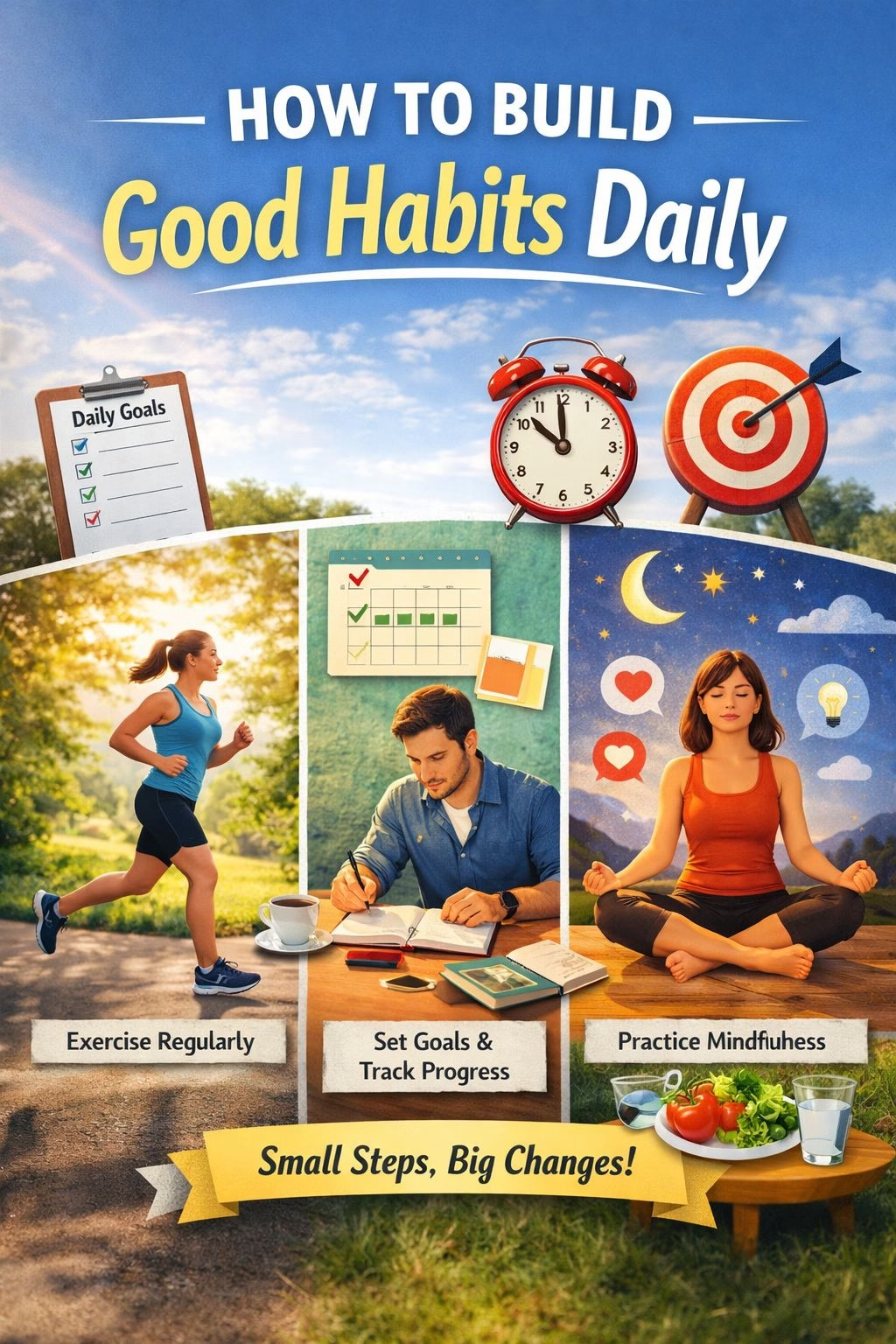
In today’s fast-paced world, many people struggle to stay consistent with their goals. Whether it’s exercising regularly, eating healthy, or improving productivity, most people start strong but lose momentum over time. The real difference between success and failure often comes down to one powerful concept: daily habits.
Learning how to build good habits daily is not just about discipline it’s about creating a system that works for you. Habits are small actions repeated consistently, and over time, they shape your identity, lifestyle, and future.
The truth is, you don’t need motivation every day. What you need are systems and habits that guide your actions automatically. In this detailed guide, you will learn everything from the science behind habits to practical strategies, common mistakes, and advanced techniques to help you build strong, lasting habits.
What Are Habits and Why Do They Matter?
A habit is a repeated behavior that becomes automatic over time. It is something your brain learns through repetition until it requires little to no conscious effort.
For example, when you wake up and check your phone without thinking, that’s a habit. Similarly, brushing your teeth before bed is also a habit.
Why Habits Are Important in Daily Life
Habits play a crucial role in shaping your daily routine and long-term success. Instead of making decisions every moment, habits allow your brain to operate efficiently.
Here’s why habits matter:
- They reduce decision fatigue: When actions become automatic, you don’t waste mental energy deciding what to do.
- They increase productivity: Good habits help you stay focused and consistent.
- They build discipline naturally: You don’t rely on motivation; habits keep you going.
- They shape your identity: Your habits define who you are.
In simple words, your daily habits determine your future results.
What the World Health Organization Says About Building Healthy Daily Habits
The World Health Organization emphasizes that daily habits play a major role in improving overall health, preventing diseases, and increasing life expectancy. According to WHO guidelines, small lifestyle changes can significantly improve both physical and mental well-being.
1. Importance of Physical Activity
According to the World Health Organization, adults should engage in at least 150 minutes of moderate physical activity per week. This includes activities like walking, cycling, or light exercise.
Why this matters: Regular physical activity helps:
- Improve heart health
- Maintain body weight
- Reduce the risk of diseases like diabetes
- Boost mood and energy levels
Building a daily habit of even 20–30 minutes of movement can make a big difference over time.
2. Healthy Eating Habits
The World Health Organization recommends eating a balanced diet that includes:
- Fruits and vegetables
- Whole grains
- Protein sources
- Limited sugar and salt
Simple habit tip: Start by adding one fruit or vegetable to your daily meals instead of making drastic changes.
3. Sleep and Mental Health
WHO highlights the importance of good sleep and mental well-being. Poor sleep and stress can negatively affect your daily performance and long-term health.
Healthy habits for better mental health:
- Maintain a regular sleep schedule
- Reduce screen time before bed
- Practice relaxation techniques
Daily habits like proper sleep and stress management improve focus and emotional stability.
4. Avoiding Harmful Habits
The World Health Organization also warns against harmful habits such as:
- Smoking
- Excessive alcohol consumption
- Sedentary lifestyle
Replacing these with positive habits is essential for long-term health.
5. Consistency is Key
WHO encourages people to adopt sustainable lifestyle habits rather than short-term changes. Consistency in small daily actions leads to long-lasting health benefits.
The Science Behind Habit Formation
To build good habits effectively, it’s important to understand how habits work in the brain.
Habits are formed through a loop known as the habit loop, which consists of three parts:
1. Cue (Trigger)
This is the signal that tells your brain to start a behavior. It can be a time, place, emotion, or situation.
Example: Feeling bored triggers checking social media.
2. Routine (Action)
This is the actual behavior or habit you perform.
Example: Scrolling through your phone.
3. Reward
This is the benefit you get, which reinforces the habit.
Example: Entertainment or distraction.
Over time, your brain associates the cue with the reward, making the habit automatic.
Why Understanding This Matters
If you want to build good habits, you need to:
- Create clear cues
- Make routines simple
- Add satisfying rewards
This makes habits easier to form and maintain.
Step-by-Step Guide to Building Good Habits Daily
1. Start Small and Stay Consistent
One of the biggest mistakes people make is trying to make big changes quickly. This often leads to burnout and failure.
Starting small means choosing habits that are easy to perform daily without much effort.
Why Starting Small Works
When you start small:
- You reduce resistance
- You build confidence
- You avoid feeling overwhelmed
For example, instead of saying “I will exercise for 1 hour daily,” start with just 10 minutes. Once it becomes a habit, you can gradually increase the duration.
Consistency is far more important than intensity. A small habit done daily is better than a big habit done occasionally.
2. Set Clear and Realistic Goals
Clarity is key when building habits. If your goals are vague, your actions will also be unclear.
Example of Poor vs Good Goals
- Poor: I want to be healthy
- Better: I will walk 20 minutes every morning at 7 AM
Why Clear Goals Matter
Clear goals:
- Give direction
- Help track progress
- Increase accountability
Make sure your goals are realistic and achievable. Setting unrealistic goals can lead to frustration and quitting.
3. Use Habit Stacking for Easy Integration
Habit stacking is a powerful technique where you attach a new habit to an existing one.
How It Works
Your brain already recognizes your current habits. By linking a new habit to an existing one, you make it easier to remember and perform.
Examples
- After brushing your teeth → drink a glass of water
- After lunch → take a short walk
- After waking up → write your daily goals
This method helps integrate new habits naturally into your routine.
4. Design Your Environment for Success
Your surroundings have a huge impact on your behavior. Instead of relying only on willpower, you can design your environment to support good habits.
Make Good Habits Easy
- Keep healthy food visible
- Place books where you can see them
- Prepare workout clothes in advance
Make Bad Habits Difficult
- Remove junk food from your home
- Keep your phone away while working
- Turn off unnecessary notifications
By controlling your environment, you reduce temptation and make better choices automatically.
5. Track Your Habits and Measure Progress
Tracking your habits helps you stay aware and motivated. It allows you to see how consistent you are.
Ways to Track Habits
- Use mobile apps
- Maintain a habit journal
- Use a calendar and mark completed days
Why Tracking Works
Tracking creates a sense of achievement and accountability. When you see your progress, you are more likely to continue.
6. Follow the 21/30/90 Rule
Habit building takes time and patience.
Stages of Habit Formation
- First 21 days: You start forming the habit
- 30 days: The habit becomes more stable
- 90 days: The habit becomes part of your lifestyle
This timeline is not fixed, but it gives a general idea of what to expect.
7. Focus on Identity-Based Habits
Instead of focusing only on outcomes, focus on becoming the type of person who follows those habits.
Examples
- Instead of: I want to run daily
- Think: I am a runner
Why This Works
When you change your identity:
- Your actions align with your beliefs
- Habits become natural
- You stay consistent long-term
8. Reward Yourself to Reinforce Behavior
Rewards make habits enjoyable and satisfying. Without rewards, habits can feel like a burden.
Examples of Rewards
- Watching a movie after completing work
- Eating your favorite snack after exercise
- Taking a break after finishing tasks
Rewards strengthen the habit loop and encourage repetition.
9. Stay Consistent Even on Difficult Days
Consistency is the most important factor in habit building.
You will have days when you don’t feel motivated. That’s normal.
Golden Rule: Never Miss Twice
Missing one day is okay, but don’t let it become a pattern.
Getting back on track quickly is what matters.
10. Identify and Eliminate Bad Habits
Bad habits can slow down your progress. To build good habits, you must reduce or replace negative behaviors.
Steps to Break Bad Habits
- Identify triggers
- Replace the habit with a better one
- Avoid situations that cause it
Example
Instead of scrolling social media when bored, read a book or go for a walk.
Common Mistakes to Avoid
Understanding common mistakes can save you time and effort.
- Trying Too Much at Once: Doing too many habits together leads to failure.
- Relying Only on Motivation: Motivation is temporary. Systems are permanent.
- Not Tracking Progress: Without tracking, it’s hard to stay consistent.
- Ignoring Environment: Your surroundings influence your actions.
Best Daily Habits to Improve Your Life
Here are some effective habits you can adopt:
Morning Habits
Starting your day right sets the tone for the rest of the day.
- Wake up early
- Drink water
- Exercise or stretch
- Plan your day
Health Habits
Good health is the foundation of success.
- Eat nutritious food
- Stay hydrated
- Sleep 7–8 hours
Productivity Habits
These habits improve efficiency and focus.
- Set daily goals
- Prioritize important tasks
- Avoid distractions
Mental Growth Habits
These habits improve your mindset and knowledge.
- Read daily
- Practice gratitude
- Learn new skills
Motivation vs Discipline
Many people believe motivation is the key to success, but that’s not entirely true.
| Aspect | Motivation | Discipline |
|---|---|---|
| Definition | A temporary feeling or desire that pushes you to take action. | A consistent ability to take action regardless of feelings. |
| Nature | Emotional and short-term. | Habit-based and long-term. |
| Reliability | Unreliable and changes frequently. | Reliable and stable over time. |
| Dependency | Depends on mood, environment, and inspiration. | Depends on routine, habits, and commitment. |
| Consistency | Inconsistent; comes and goes. | Consistent; helps maintain regular actions. |
| Effort Required | Requires less effort when present. | Requires effort, especially in the beginning. |
| Long-Term Impact | Limited impact without consistency. | Leads to long-term success and growth. |
| Example | Feeling excited to start a workout after watching a video. | Working out daily even when you don’t feel like it. |
| Best Use | To start a new habit or goal. | To maintain and sustain habits over time. |
Conclusion
Building good habits daily is one of the most effective ways to improve your life. It’s not about making big changes overnight, but about taking small steps consistently.
By starting small, staying consistent, and designing your environment wisely, you can build habits that last a lifetime.
Remember: Success is not about what you do occasionally, but what you do every day.
Frequently Asked Questions (FAQs) About Building Good Habits Daily
1. How long does it take to build a good habit?
Building a good habit usually takes anywhere from 21 to 90 days, depending on the complexity of the habit and your consistency. Simple habits like drinking water daily can form quickly, while more complex habits like regular exercise may take longer.
2. What is the best way to build good habits daily?
The best way to build good habits daily is to start small, stay consistent, and follow a routine. Using techniques like habit stacking, setting clear goals, and tracking progress can make the process easier and more effective.
3. Why do people fail to maintain good habits?
People often fail because they try to do too much at once, rely only on motivation, or don’t have a clear plan. Lack of consistency and poor environment setup also make it harder to maintain habits.
4. Can I build multiple habits at the same time?
Yes, but it is recommended to start with one or two habits at a time. Once those become part of your routine, you can gradually add more habits.
5. What are some examples of good daily habits?
Some effective daily habits include drinking enough water, exercising regularly, reading daily, planning your day, and getting enough sleep. These habits improve both physical and mental well-being.
6. How can I stay consistent with my habits?
To stay consistent, set realistic goals, track your progress, use reminders, avoid distractions, and follow the “never miss twice” rule. Consistency is more important than perfection.
7. What is habit stacking?
Habit stacking is a method where you attach a new habit to an existing one. For example, after brushing your teeth, you can practice meditation for a few minutes. This makes it easier to remember and maintain the new habit.
8. Are good habits really important for success?
Yes, good habits are essential for success. They help you stay disciplined, improve productivity, and achieve long-term goals. Small daily actions lead to big results over time.
9. How do I break bad habits while building good ones?
To break bad habits, identify triggers, replace them with positive actions, change your environment, and stay consistent. Replacing bad habits with good ones is more effective than just stopping them.
10. What does the World Health Organization say about daily habits?
The World Health Organization emphasizes the importance of healthy daily habits such as regular physical activity, balanced nutrition, proper sleep, and avoiding harmful behaviors. These habits help prevent diseases and improve overall well-being.